Friday, February 23, 2018

Don't Lose the Weight Loss Race - Think Like the Tortoise and Win!


Do you remember the Aesop Fables story of the Hare and the Tortoise? In this classic story the Hare was making fun of the tortoise for being so slow. Tired of the Hare’s bragging, the Tortoise challenged the Hare to a race.

The cocky Hare quickly gained the lead and ran far ahead of the Tortoise. A bit tired from his run, the Hare decided to lay down and take a nap. 

The Tortoise passed the sleeping Hare and was close to the finish line before the Hare awoke. Shocked, the Hare ran for the finish line, but it was too late. The slow and steady Tortoise crossed the finish line first and won the race.


And so it may be with weight loss.


Be the Tortoise and Win!


A recent study with 183 participants published in the journal, “Obesity” found that those who experienced the highest fluctuation in weight early in the study period had the worst outcomes one and two years out compared to those participants who lost a consistent amount of weight week by week.

Lead study author Emily Feig, PhD who was during the study with Drexel University, commented:

“It seems that developing stable, repeatable behaviors related to food intake and weight loss early on in a weight control program is really important for maintaining changes over the long term."

Study participants who were in the year long study used meal replacement and supporting weight loss behaviors such as self-monitoring, increased physical activity, and calorie tracking. 

Researchers discovered that the greater weight change variability during the initial six weeks were consistent with lower long-tern weight loss success at the 12 and 24-month check-ins.

So what do these findings mean for those of us attempting to achieve weight loss goals?

What This Means for You


Drexel psychology professor Michael Lowe, PhD, points to a potential method to try.

Dr. Lowe commented, “Settle on a weight loss plan that you can maintain week in and week out, even if that means consistently losing 3/4 of a pound each week,”

So, my suggestion? Think like a Tortoise and win the weight loss race.

Listen to Podcast: Player below or click https://podcastplayer.io/podcast/stephencarter/6d 

Your Weight for Wellness host,

Stephen Carter | CEO Stress Solutions, LLC | http://www.EFT-MD.com

How to Subscribe to the Weight for Wellness Podcast:


Subscribe through Apple Podcasts (formerly iTunes Podcasts): 
---

Study citation: More information: Obesity (2017). DOI: 10.1002/oby.21925
Article link: Shedding consistent pounds each week linked to long-term weight loss. https://medicalxpress.com/news/2017-08-pounds-week-linked-long-term-weight.html

Friday, November 24, 2017

Can Mindfulness Help With Weight Loss?


Mindfulness and mindfulness meditation are all the rage. Advocates for a particular method will sometime makes claims about the effectiveness of that method without solid scientific evidence. This can be especially true for weight loss claims.

Is there medical research support for the benefits of mindfulness to help with weight loss?


An Important Meta-Study


In a meta-analysis of 19 studies published over a 10-year period, researchers found mindfulness was moderately effective for weight loss and largely effective in reducing obesity related eating behaviors (link to study summary below).

In comparing mindfulness practices with lifestyle change activities that included diet and exercise, the later group initially faired better. The diet / exercise group on average lost 4.7% of their starting body weight compared to 3.3% of starting body weight for mindfulness practitioners. 

However, during later follow-up assessments, mindfulness practitioners had continued to lose weight resulting in an average reduction to 3.5% of initial body weight. The lifestyle change group gained back some of the weight, suggesting over an extended period that group could end up back at their starting point. The tendency to regain weight after successful weight loss is a reality many dieters face.


How to Use This Study Information


If your goal is to shed weight and enhance health, the results of this large meta-study suggest one promising approach is to engage in a lifestyle weight loss program that includes diet and exercise while also learning and applying mindfulness eating awareness. The combination of both methods may result in sustaining and even improving weight loss over time.

Of course, before engaging in any diet or exercise program, it's important to consult your physician for professional guidance and oversight.

Blessings,

Stephen Carter | Stress Solutions, LLC | www.EFT-MD.com 

==> P.S. If you would like to talk with a mindfulness trainer to support weight loss, go to our "Contact Us" page at http://www.eft-md.com/contact-us.html and send a brief message.

No pressure, no obligation. Just a simple conversation.

Study links: 


"Mindfulness-based interventions for weight loss: a systematic review and meta-analysis": http://bit.ly/2A5dsfU.

"Mindfulness training shows promise for maintaining weight loss": http://bit.ly/2hRav8o


Saturday, November 18, 2017

Forget Energy Drinks - Serious Health Risks Reported

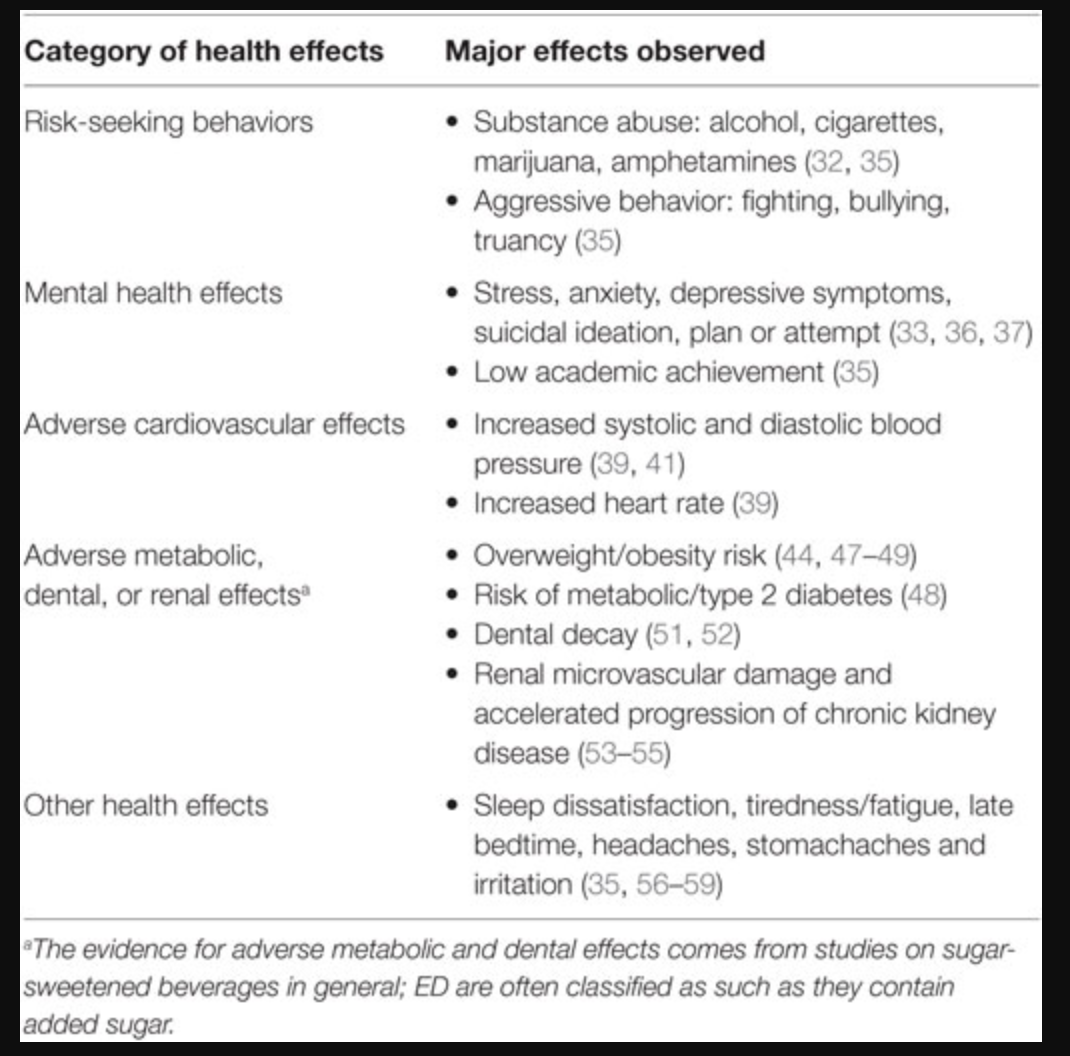
A recent study published in, "Frontiers of Public Health" titled, "Health Effects and Public Health Concerns of Energy Drink Consumption in the United States: a Mini-Review", chronicles a long list of health risks associated with energy drink consumption.

Here is a PDF listing of category and effects from the review:


(Link to PDF: https://www.frontiersin.org/files/Articles/286776/fpubh-05-00225-HTML/image_m/fpubh-05-00225-t001.jpg)

The list of potential health risks is long and includes adverse cardiovascular effects, adverse metabolic, dental, and renal effects, and other problems such as fatigue, stomach irritation, and sleep issues.

Before consuming any of the energy drinks on the market, I recommend talking with your doctor. In my view, a few hours of temporary energy boost isn't worth the risks highlighted in this review. 

You'll find the study at https://www.frontiersin.org/articles/10.3389/fpubh.2017.00225/full.

Steve Carter

CEO, Stress Solutions, LLC
http://www.EFT-MD.com | http://StressMastery.blogspot.com

Tuesday, August 30, 2016

Stand Up for Your Health!

A new study from the University of Pittsburg suggests that regular use of height-adjustable desks - when combined with other low-intensity activities - can be an effective strategy for maintaining weight for most people. About 30-minutes out of every working hour will typically do the trick (study link below).


The Link Between Stress and Weight


Other studies tell us that taking short walking breaks throughout the workday help burn extra calories. It also has the benefit of lowering stress, which can help contribute to the achievement of a healthy weight.

Why does lowering stress help us with weight? Because chronic stress typically brings about elevated cortisol. Elevated cortisol can lower the body's ability to shed weight.


What to Do


When I think about my own sit to stand ratio, I realize I've been a "backslider".

When research studies started appearing a couple of years ago confirming that hours of sitting during the day can take years off of your life - even if you are exercising regularly - I become a stand-up devotee, even using a standup table for working, writing, and recording audio guides for clients.


Alas, over the past months I have returned to my earlier butt-in-seat ways.


From today forward, I'm choosing to take a stand at least 30-minutes every hour, take a walking break every hour, and increase aerobic exercise activity every day.

If you would like to stand up for your health, there's no better time than now.


To your health and well-being,


Steve Carter


Stress Solutions, LLC | www.EFT-MD.com | Blog: StressMastery.blogspot.com


-----

References:

"Standing Up for Weight Management"; University of Pittsburg. Link: http://www.newswise.com/articles/view/659932/?sc=dwhn

NIOS Takes a Stand: http://blogs.cdc.gov/niosh-science-blog/2012/12/05/sit-stand/

Wednesday, November 25, 2015

3 Easy Steps to Stop Thanksgiving Overeating

It's Thanksgiving time in the U.S. In addition to giving gratitude for the many things I am thankful for, I will be sitting down to enjoy a lovely dinner with turkey and other delicious goodies.

Having reached a point in life where I've lived through many decades of Thanksgiving dinners, I'm reminded that for far too many of those dinners I felt more stuffed than the turkey. 

Why does that happen and what can be done to change the pattern?


20-Minutes and Counting


In a recently released *study in the journal, "Cell Metabolism", researchers discovered the process by which gut microbes alert the brain to stop eating. It turns out that process takes about 20-minutes to occur. 

We've known for years that signals of satiation take about 20-minutes to register. This new research extends our understanding about how the gut bacteria interact with the nervous system to create those signals.


3 Easy Steps to Eating Success


Taking the 20-minute period into account, we have a simple 3-step process to ensure we eat in a way that allows us to skip the stuffed feeling and post dinner nap:

  • First, create the intention to enjoy the meal, but to consume only a reasonable amount of food.
  • Second, remind yourself there is a 20-minute delay before your gut communicates signals of satiation to the brain.
  • Third, eat slowly, mindfully, and pay attention to your body. When you first notice the signals of satiation, stop eating. In a few minutes you'll feel completely full, but not stuffed.

Step 3 is likely to be a touch more challenging than steps 1 and 2. Why? Because our attention is easily drawn into conversations with others at the table. 

You've heard Uncle Henry's story a dozen times, but you can still get caught up in the energy and enthusiasm of the telling. Aunt Mary's latest medical situation must be heard with the appropriate level of attention and concern.

Recognize and plan for conversational distractions. Place an object in front of your plate such as an upside down fork or other item that will remind you to check in with your body's felt sense of satiation as the meal proceeds.

Your pre-meal intention to eat sensibly, your awareness of the 20-minute signal delay, and your mindful eating and body monitoring will carry the day.

Blessings to all and have a lovely Thanksgiving!

Steve


photo 
Stephen Carter
Stress Solutions, LLC
    

Resource Citation: *Gut microbes signal to the brain when they are full: http://bit.ly/1NPqGt1

Important Note: This and all other postings to this blog along with any statement or statements made in any podcast, audio, or video associated with this site are for informational purposes only. This and all other written posts and statements in any audio or video recording associated with this blog, Stress Solutions, LLC, or Stephen Carter are not intended to diagnose, treat, or otherwise recommend any treatment for any medical or psychological condition. Anyone using any of the information contained in this or any other posting, audio or video recording linked to this website or associated in any way with this website, with Stephen Carter, or with Stress Solutions, LLC does so at his or her own risk. You are urged to seek competent medical consultations with appropriate licensed medical professionals for any and all medical, psychological, emotional, or physical conditions.


Thursday, August 13, 2015

Stress Eating and How to Stop the Habit

Two recent studies published in the journal "Neuron", report on findings related to stress and food choices. Links to those two articles mentioned in the podcast are below.

Bottom Line Regarding Stress and Diet

The bottom line for those who are choosing to achieve and maintain a healthy weight is to recognize and account for the role stress plays in our choices about what we eat.

By clicking on the special episode audio podcast link below, you'll learn how to combine two easily done, simple methods that will dissolve stress and place you back in the captain's chair of control when making food choices.

To listen to the 5-minute audio, click:


http://www.audioacrobat.com/email/EDlF9PfRW


To download the MP3 audio file to listen on your smartphone or computer anytime, click HERE.

Key Points:
  • Stress affects our ability to make good food choices.
  • Stress chemicals can remain in the body up to several hours after a stress inducing event.
  • A three-step stress mastering process done before you make a food choice can help you make healthier choices.
  • How to apply the three-step stress mastering process:
    1. Identify where in your body stress / tension / uncomfortable sensations are located. If possible, touch those areas and really connect with your awareness.
    2. Say "Yes to the Stress!" Acknowledge "what is" without resistance or desire to feel any differently.
    3. Use Bi-Lateral foot tapping and voice (out loud or in mind) the command to,"Release and let it go... Let all of the stress dissolve and release."
Using this three-step process, you are now ready to make food choices from a place of more physical, emotional, and mental balance that supports better, healthier food choice decisions.

Blessings,

Steve

photo 
Stephen Carter
Stress Solutions, LLC
    

Important Note: This and all other postings to this blog along with any statement or statements made in any podcast, audio, or video associated with this site are for informational purposes only. This and all other posts and statements in any audio or video recording associated with this blog, Stress Solutions, LLC, or Stephen Carter are not intended to diagnose, treat, or otherwise recommend any treatment for any medical or psychological condition. Anyone using any of the information contained in this or any other posting, audio or video recording linked to this website or associated in any way with this website does so at his or her own risk. You are urged to seek competent medical consultations with appropriate licensed medical professionals for any and all medical, psychological, or physical conditions.

For more information about the studies mentioned in the podcast and intro above, click the links below.

Scientists scan the brain to see how stress undermines your diet


How stress can tweak the brain to sabotage self-control


Wednesday, May 20, 2015

Thinking of Skipping Meals to Loose Weight? Think Again!

When working with clients to help them achieve weight change goals, I have them begin by keeping a food and beverage consumption log for one week. This is often an eye opener for clients because the log helps them identify food consumption patterns they didn't recognize before completing the log.

When I notice an absence of entries that should be on the log, I ask the client about the missing information. Sometimes they forgot to include the information and sometimes they say they were simply too busy to eat or they intentionally skipped the meal as a weight loss strategy.


Skipping meals isn't a good weight loss strategy. It can actually result in weight gain. To learn why, have a look at the results of a research study by Ohio University published in the, "Journal of Nutritional Biochemistry".


Study link: http://www.newswise.com/articles/view/634538/?sc=dwhn


photo 
Stephen Carter
Stress Solutions, LLC